Trowels: A Practical Guide to Choosing the Right One
A trowel is the tool you will hold longer than any other on a bricklaying or plastering job, so the choice matters. Blade shape, steel, handle and length all change how the tool behaves after four hours of work. There are hundreds of trowels on the market, and the range runs from a few pounds for a basic pointing trowel to well over £100 for a ceremonial presentation model.
Main Types of Trowels and What They Do
Each shape exists for a reason. Using the wrong one is slow and tiring.
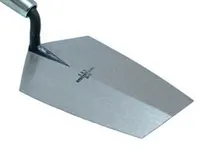
- Brick trowels, with a pointed, diamond-shaped blade, lift mortar and spread it along a course. Common blade lengths are 10 to 13 inches.
- Pointing trowels are small, usually 5 to 6 inches, and push mortar into joints once the bricks are laid.
- Finishing trowels have a long rectangular blade, often 18 to 20 inches by 4 to 5 inches, for smoothing plaster and screed.
- Corner trowels come in internal and external versions, each shaped to a right angle so that corners stay sharp and straight.
- Bucket trowels are rounded and deep, made for scooping mortar or filler out of a tub.
- Jointers and dowel jointers shape the finished mortar joint, whether bucket-handle, V or flush.
If your work is mostly wall coatings, start with the plasterers trowels section, where the blades are thinner and more flexible than a bricklayer would want.
Choosing Trowels by Blade Steel
Carbon steel is cheap and takes a good edge, but it rusts if left damp. Stainless steel costs more, usually £40 to £50 for a 18 to 20 inch finishing trowel from a respected maker, and it resists rust and leaves fewer marks on pale plaster. Gold-coloured stainless blades, such as those on some Marshalltown finishing trowels, are a coated or treated stainless that feels smooth from the first use.
For plastering, stainless is the sensible pick. For brickwork, a good forged carbon steel blade will serve a mason for years, provided it gets wiped dry at the end of the day.
Handles, Weight and Balance
A trowel that feels fine in the first ten minutes can wreck your wrist by lunchtime. Soft-grip handles, such as the Durasoft type found on many Marshalltown models, absorb some of the vibration and keep the grip steady with wet gloves. Wooden handles are lighter and more traditional, though they can swell after repeated soaking.
Check the balance. Hold the trowel by the handle with your index finger resting on the shank. It should sit level, not tip toward the blade.
What Trowels Cost
Prices vary widely, so treat these as rough guides only.
- Basic pointing or margin trowels: from around £5 to £15.
- Professional stainless finishing trowels: roughly £40 to £50.
- Specialist jointers: around £110 to £135.
- Ceremonial brick and pointing trowels with decorated blades: from about £105 to £155 and up.
Ceremonial trowels are made for plaque unveilings and foundation stones, not daily use. A working tradesperson rarely needs one.
Trowels Beyond Brick and Plaster
Garden and groundwork jobs call for different tools altogether. Lifting turf, for instance, is easier with a turf cutting iron than with any trowel, since the long blade slices a clean edge through the roots. A hand trowel still helps for planting and patching afterwards.
For other tools that sit alongside trowels in a kit, the wider hand tools range covers saws, hammers, chisels and spanners.
Looking After a Trowel
Scrape off wet mortar before it sets. Rinse the blade, dry it, and give carbon steel a light wipe of oil. Store trowels flat or hung up, never loose in a bag with heavy tools, because a bent blade will not lay a straight joint.
Plasterers sometimes break in a new finishing trowel by rubbing the edges and corners on a flat stone or fine abrasive pad. This rounds the sharp corners so they do not score the surface. It takes about ten minutes and saves a lot of frustration.
Frequently Asked Questions
What size trowel do I need for bricklaying?
Most people choose a 10 to 11 inch brick trowel. Larger blades hold more mortar but get heavy, so smaller hands and long days favour the shorter size. Try a few if you can before settling.
What is the difference between a pointing trowel and a brick trowel?
A brick trowel is larger and carries enough mortar to lay a run of bricks. A pointing trowel is small, around 6 inches, and is used to fill and tidy the joints once the bricks are in place. Most bricklayers carry both.
Is a stainless steel trowel worth the extra cost?
For plastering and rendering, yes. Stainless does not rust, and it glides across the surface without leaving grey marks. For occasional brickwork a carbon steel blade is perfectly good and cheaper.
How do I stop a new finishing trowel from marking plaster?
Soften the corners and edges of the blade with a fine abrasive pad or flat stone before first use. Then flex the blade slightly as you work, so that only the middle touches the surface. Clean it often during the job.